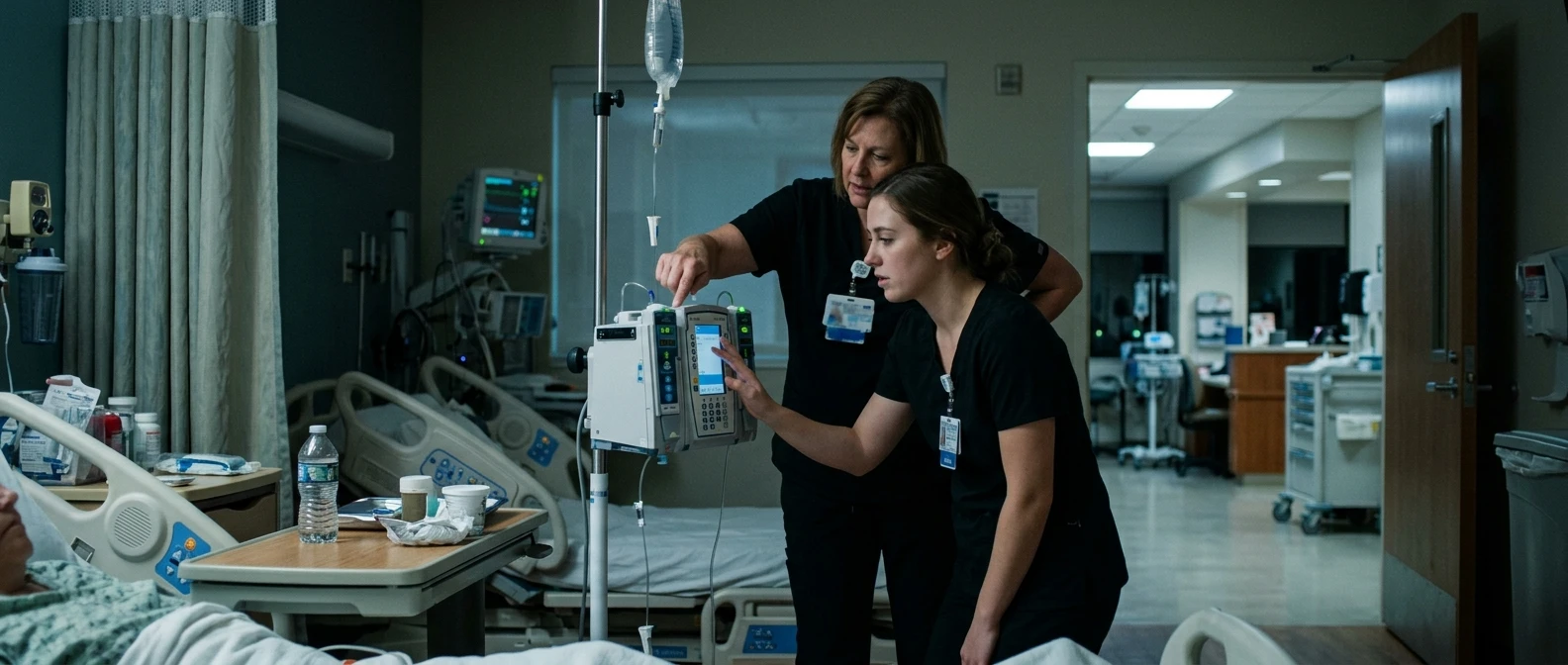
A new nurse’s first ninety days on a unit are supposed to be supervised, structured, and documented. When a facility skips that structure, the gap does not stay theoretical. It shows up later in a chart, in a staffing log, or in a deposition answer that does not hold up, often at the exact moment a patient was harmed. For attorneys evaluating a malpractice or nursing home case, understanding what proper new nurse orientation actually looks like is one of the fastest ways to find where the standard of care broke down.
This piece walks through the orientation and training benchmarks a facility should have met, where corners get cut, and what that looks like once it reaches a courtroom.
Why a New Nurse’s First Months on the Floor Matter to Your Case
A nurse’s competence on day one is not assumed. It is built through a defined orientation period, usually supervised clinical hours under a preceptor, and a graduated increase in patient load as skills are verified. Boards of nursing and most facility policies expect this process to be documented step by step, not described after the fact as “informal mentoring.”
When a patient is harmed by a nurse who was still new to the unit, the question is rarely just “did this nurse make a mistake.” The better question is whether the facility set that nurse up to succeed or simply assigned them a full patient load and hoped for the best. If the orientation was shortened, unsupervised, or undocumented, that is not a side issue. It can be the root cause the rest of the case turns on.
This matters because facilities are judged against an institutional standard of care, not just an individual nurse’s judgment in the moment. A nurse who never received proper training on a specific protocol was arguably put in a position to fail by the people responsible for preparing her. That shifts liability analysis toward the facility’s staffing and training decisions, which is often where the deeper pockets and the clearer paper trail are.
The Core Safety Protocols Every New Nurse Should Have Been Trained On
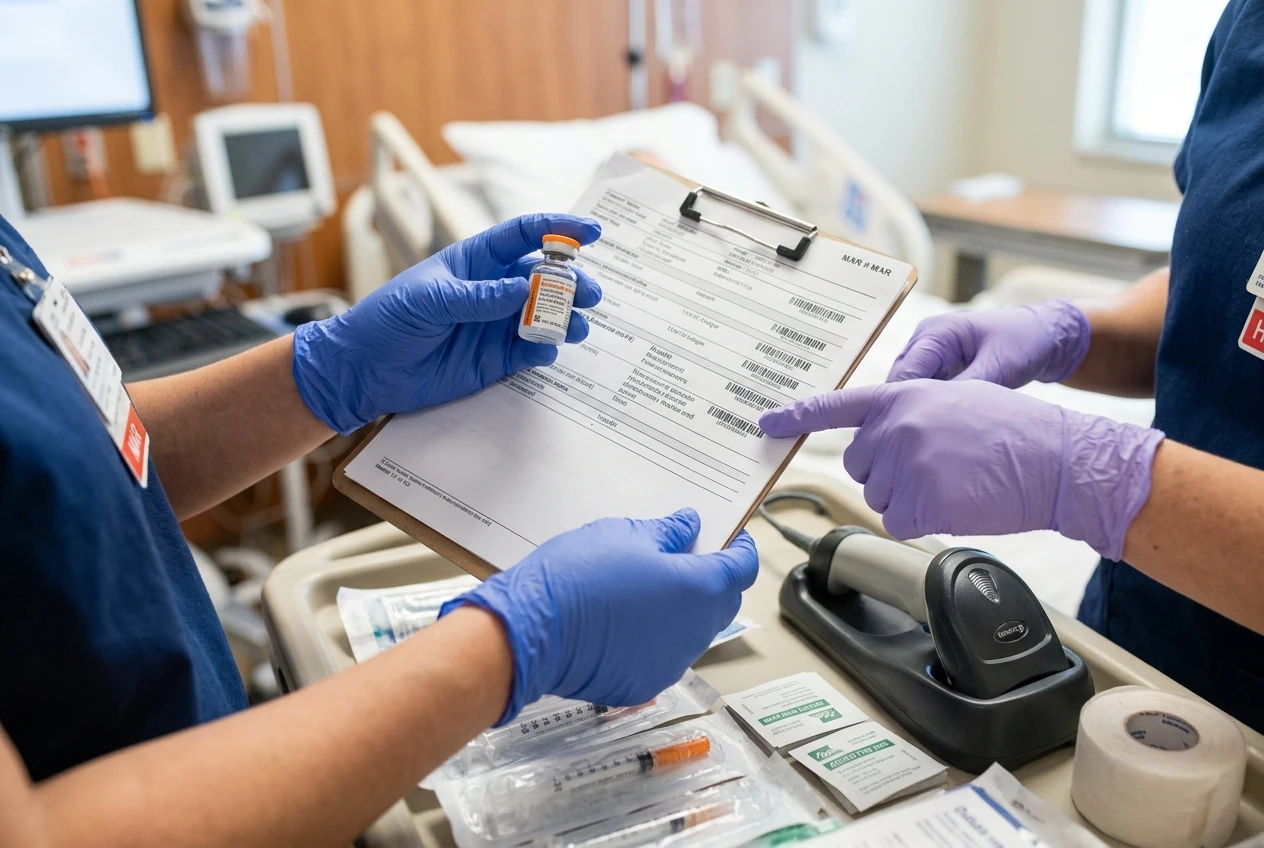
Before requesting records, it helps to know what should be in them. A properly onboarded new nurse should have documented training and sign-off on:
-
Medication administration safeguards, including the five rights, high-alert drug handling, and double-check procedures for insulin, anticoagulants, and opioids
-
Fall risk assessment and intervention protocols, including how often reassessments are required and what triggers a change in precautions
-
Pressure injury prevention, including turning schedules and skin assessment documentation
-
Escalation protocols: when and how a new nurse is expected to notify a charge nurse or physician about a change in patient condition
-
Emergency response procedures, including code participation and rapid response activation
-
Infection control basics specific to the unit, such as isolation precautions and line care
Every one of these should trace back to a signed competency checklist, a skills validation, or a documented preceptor sign-off. If a facility cannot produce that paperwork for the nurse involved in your case, that absence is itself evidence. Training that happened informally, verbally, or “on the fly” is training that was never verified, and unverified training is not the same as competent training.
Staffing Ratios and Preceptorship: Where Facilities Cut Corners
This is where the real gaps tend to live. Preceptorship programs exist on paper at almost every facility. Whether they exist in practice is a different question entirely.
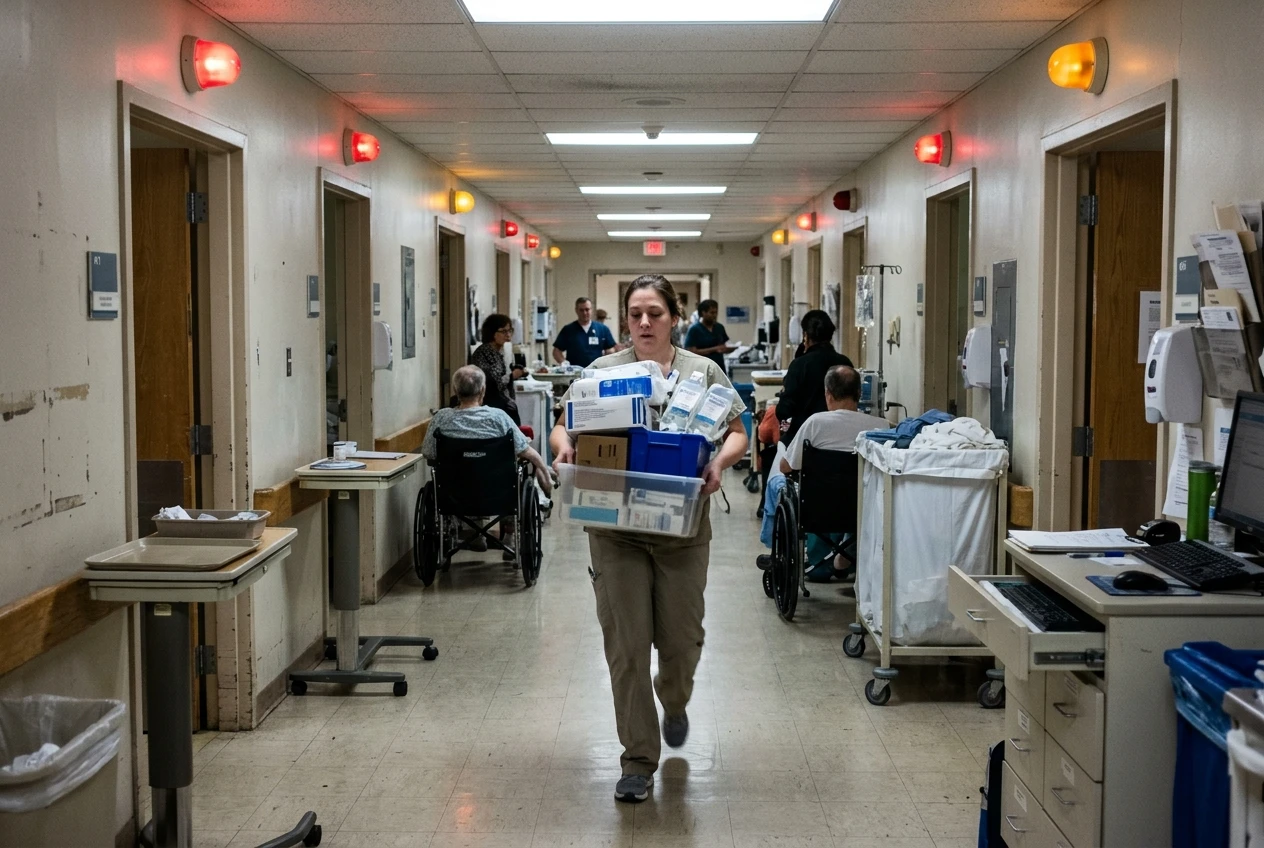
Common shortcuts to look for:
-
A preceptor who was also carrying a full patient assignment, meaning the new nurse was effectively unsupervised for stretches of the shift
-
A preceptorship period shortened because of a staffing shortage, with the new nurse moved to an independent assignment before the original timeline called for it
-
No documented competency validation before the new nurse took on high-risk patients or unfamiliar equipment
-
A new nurse assigned a patient load matching that of an experienced nurse on the same unit, with no adjustment for experience level
Staffing ratios compound every one of these problems. A facility that is short-staffed will often solve the problem by accelerating a new hire’s independence rather than by reducing patient load. That decision is rarely written down as “we rushed this nurse.” It shows up instead as a staffing grid, a timesheet pattern, or a sudden jump in a new nurse’s assigned patient count a few weeks earlier than policy allows.
Pull the staffing ratios for the unit on the date of the incident and compare them to the facility’s own stated policy. Then pull the same data for the weeks leading up to it. A pattern of understaffing in the lead-up to the event, combined with a preceptorship that ended early, is a strong signal that the facility’s own corner-cutting set the conditions for harm.
Reading the Chart: Documentation Gaps That Signal Inadequate Training
The medical chart tells you what happened. It also tells you, indirectly, what the nurse was and was not prepared to do.
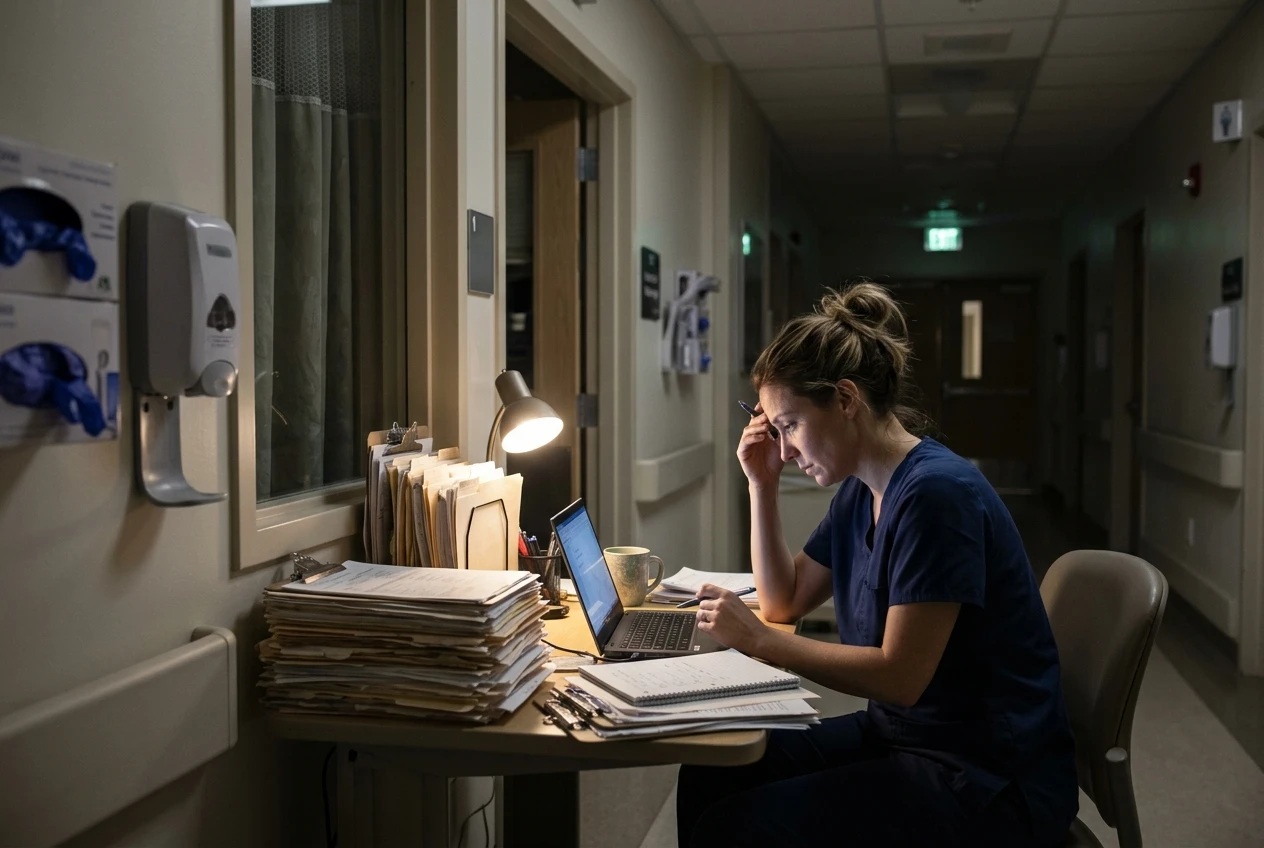
Look for:
-
Assessments that are incomplete or copied forward without meaningful change, which can indicate a nurse unsure of what she was supposed to be evaluating
-
Delayed or missing notification entries when a patient’s condition changed, suggesting the nurse did not recognize the significance of the change or did not know the escalation protocol
-
Medication administration times that cluster unusually or show gaps inconsistent with the ordered schedule
-
Vital sign monitoring that falls outside the frequency required by the patient’s acuity level or care plan
-
Absence of any reference to a preceptor or supervising nurse co-signing entries during what should have been a supervised period
None of these, alone, proves inadequate training. But a pattern across several shifts, combined with a thin or missing orientation file, builds a picture. The chart and the personnel file should be read together. A nurse who was never trained to recognize a specific deterioration pattern is far more likely to miss it, and that failure will often be visible in the timing and content of her documentation.
Burnout and Fatigue as a Contributing Factor in Patient Harm Claims
Even a well-trained nurse can make a dangerous error when she is exhausted, overloaded, or working her fourth consecutive shift with inadequate rest. For a new nurse still building competence, fatigue compounds the risk in a way it would not for someone with years of pattern recognition to fall back on.
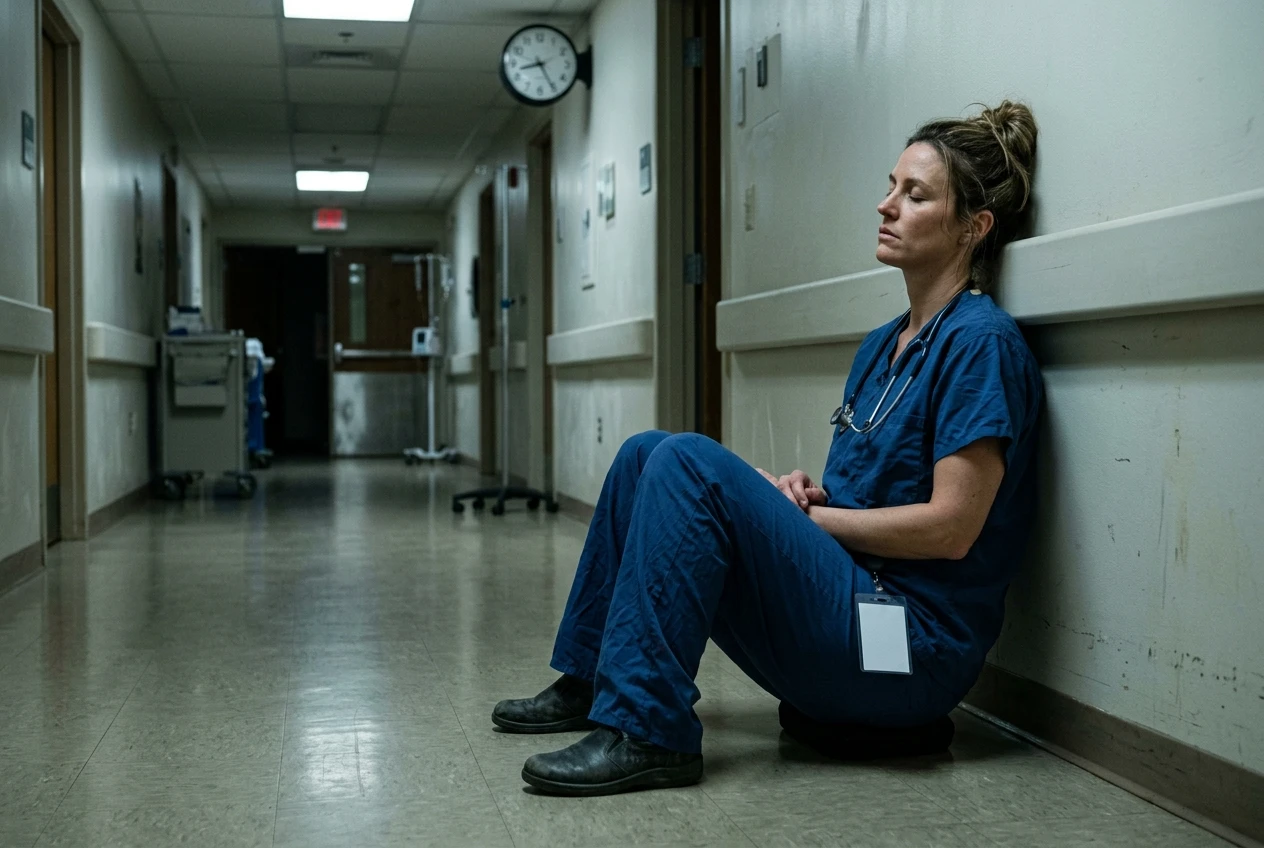
Facilities have obligations around shift length, mandatory rest periods, and reasonable scheduling, particularly for staff still in an orientation or probationary period. When those obligations are ignored, a new nurse can end up working extended or back-to-back shifts far earlier in her tenure than is reasonable.
Scheduling records are worth requesting specifically for this reason. Look at the nurse’s shift pattern in the weeks before the incident: shift length, number of consecutive shifts, time between shifts, and any mandatory overtime. If the facility routinely scheduled new hires into extended or overnight-heavy rotations without regard to fatigue, that is a staffing and supervision decision, and it belongs in the same analysis as the orientation gaps.
Questions to Put to a Facility’s Records Before You Depose a Nurse
Before a deposition, the records should already answer most of the factual groundwork so the deposition can focus on judgment and recollection rather than basic timeline questions. Useful questions to resolve in advance include:
-
What was the facility’s written orientation and preceptorship policy at the time, and how long was the nurse’s documented orientation period?
-
Was the preceptorship completed in full, or was it shortened, and if so, who approved that and why?
-
What competency checklists or skills validations exist for this nurse, and are they signed and dated?
-
What was the staffing ratio on the unit for the shift in question, and how did that compare to the facility’s own staffing policy?
-
What was this nurse’s shift history in the weeks leading up to the incident?
-
Who was the assigned preceptor or charge nurse on duty, and what was that person’s own patient load at the time?
-
Are there any internal incident reports, staffing complaints, or quality assurance notes referencing this unit or this nurse before the event in question?
Getting clear answers to these before the deposition means the nurse’s testimony can be tested against the paper trail rather than taken at face value.
When to Bring In a Legal Nurse Consultant to Review the File
Reading a chart for clinical accuracy is a different skill from reading it for legal relevance, and most attorneys are not trained to do both at once. A legal nurse consultant who understands orientation standards, staffing policy, and documentation norms can review a facility’s training and personnel records, flag the gaps that matter, and translate clinical shorthand into something a jury or opposing counsel cannot wave away.
This kind of review is especially valuable early in a case, before expert reports are drafted and before depositions are scheduled, because it shapes what you ask for and who you ask it of.
If you are evaluating a potential nursing home or malpractice case and want a clinical read on a facility’s training and staffing records, Nurse Becca Consulting can review the file and help you see where the standard of care broke down before you take a single deposition.